
 For many families, decorating the Christmas tree is one of the most meaningful traditions of the holiday season. Long before modern ornaments, string lights, and tree farms, people across Europe were already bringing evergreens into their homes as symbols of life, hope, and celebration during the winter season.
Over hundreds of years, the Christmas tree evolved from a simple evergreen decoration into one of the most recognized symbols of Christmas around the world.
The Earliest Christmas Trees
The earliest written record of a decorated Christmas tree dates back to 1510 in Riga, Latvia. Historical accounts describe members of a local merchants’ guild decorating a tree with artificial roses, dancing around it in the marketplace, and eventually burning it. The rose was considered a symbol of the Virgin Mary and remained an important decoration for many years.
By 1530, records from Alsace, France, which at the time was part of German territory, show that Christmas trees were already being sold in marketplaces and brought into homes. Interestingly, local laws limited the size of the trees to “8 shoe lengths,” or slightly over four feet tall.
Christmas Trees in Germany
By the 1600s, decorated Christmas trees had become common throughout Germany. One popular tradition involved decorating evergreen branches with apples. This practice grew out of earlier church “miracle plays” performed on December 24, which was recognized as Adam and Eve’s Day in the early Christian calendar.
The apples represented the Garden of Eden and were used to help teach Bible stories to largely illiterate populations. Over time, these symbolic decorations evolved into more elaborate Christmas tree ornaments.
During the 1700s, families in parts of Austria and Germany began hanging evergreen tips upside down from ceilings inside their homes. Decorations included apples, gilded nuts, paper decorations, and edible treats. In some areas, Christmas trees became known as “sugar trees” because of the popularity of edible ornaments.
The first known reports of lighted candles being placed on Christmas trees also appeared during this period in France.
Christmas Trees Arrive in America
German settlers introduced the Christmas tree tradition to the United States during the 1800s. What began as small tabletop decorations quickly evolved into the larger floor-to-ceiling trees that families recognize today.
By 1851, Christmas trees were being sold commercially in the United States, although many were still harvested directly from natural forests.
In 1853, President Franklin Pierce became the first president credited with displaying a Christmas tree in the White House.
Later in the 1800s, German-made glass ornaments became increasingly popular in America. Early ornaments were mostly simple glass balls, but eventually expanded into elaborate shapes, figures, chains, and decorative pieces.
The Beginning of Artificial Trees
Around 1883, Sears, Roebuck & Company began selling some of the first artificial Christmas trees in America. Customers could purchase artificial trees with 33 limbs for 50 cents or 55 limbs for one dollar.
At the turn of the century, conservation concerns began growing due to overharvesting of evergreen forests. Some publications even encouraged families to use artificial “snow trees” made from bare branches wrapped in cotton rather than cutting down live evergreens.
The Rise of Christmas Tree Farms
The modern Christmas tree farming industry began in 1901 when W.V. McGalliard planted 25,000 Norway spruce trees on his farm in New Jersey, creating what is considered the first Christmas tree farm in the United States.
That same year, President Theodore Roosevelt expressed concern about the environmental impact of harvesting Christmas trees from forests. His sons disagreed with him and enlisted conservationist Gifford Pinchot to explain that properly managed Christmas tree farming could actually be sustainable and beneficial.
This shift toward farm-grown trees helped create the renewable Christmas tree industry we know today.
During the 1930s, President Franklin D. Roosevelt even started his own Christmas tree farm at his estate in Hyde Park, New York.
Christmas Trees at the White House
In 1966, the National Christmas Tree Association began a tradition that continues today: presenting the White House Christmas tree to the First Lady for display in the Blue Room of the White House.
The first tree in this program was presented by Howard Pierce of Black River Falls, Wisconsin, to President Lyndon Johnson and First Lady Lady Bird Johnson.
Christmas Trees Today
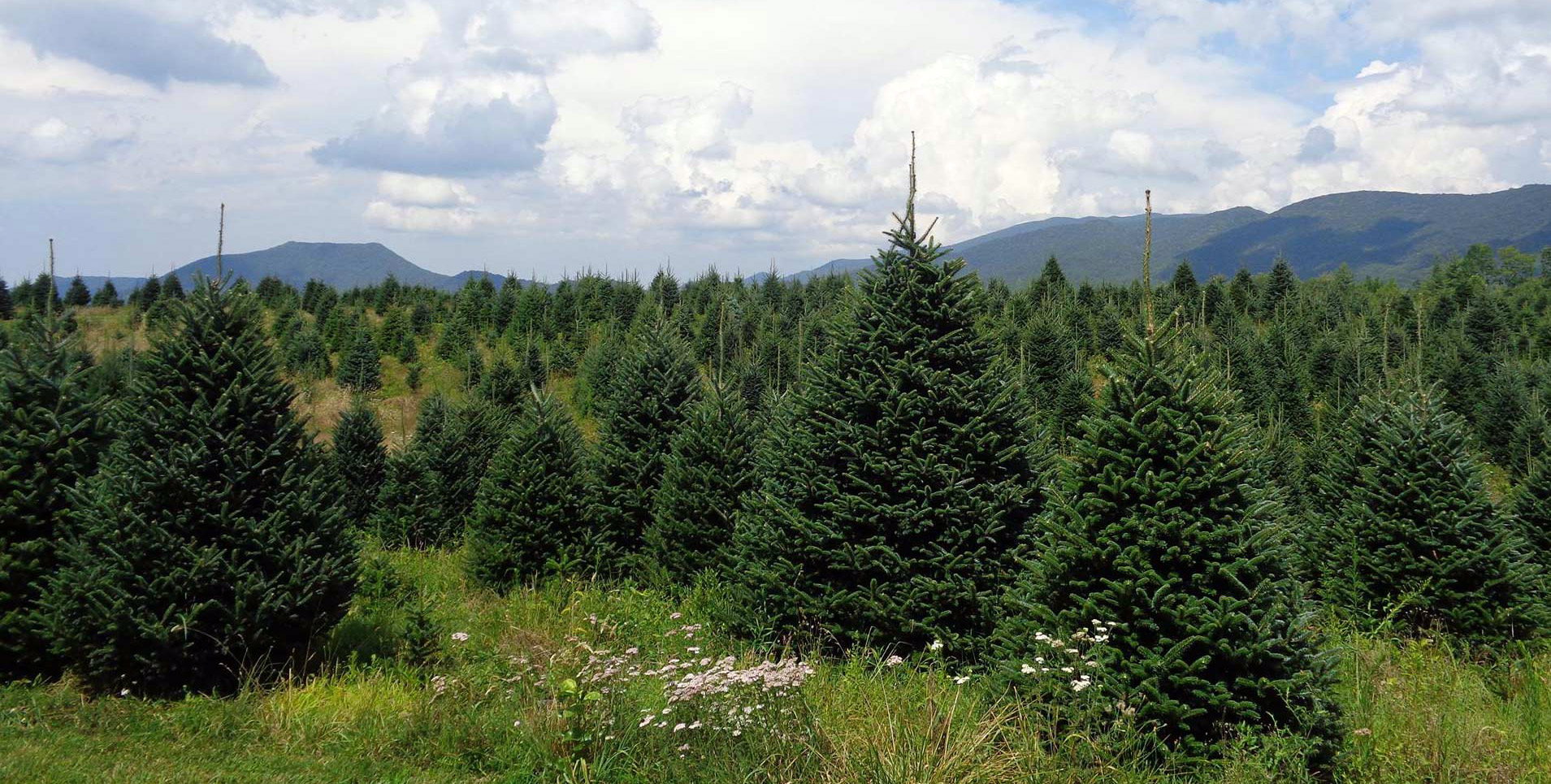
Today, approximately 25 to 30 million real Christmas trees are sold each year in the United States. Nearly all of these trees are grown on dedicated Christmas tree farms rather than harvested from natural forests.
Modern Christmas tree farming has become an important part of American agriculture, helping preserve green space, support family farms, and continue one of the most cherished traditions of the holiday season.
For many families, the experience of visiting a Christmas tree farm, choosing a tree together, and bringing it home remains just as meaningful today as it was generations ago.
Source: National Christmas Tree Association